Take Me to the River

It is easier to leave than be left. When you are the one leaving there are no empty spaces to fill – you can become immersed in the going, in new environments and sights and experiences. And so I took the opportunity and, for a few days, we left our partially empty nest and explored a brand new place. I chose a destination that I always wanted to visit but that held no particular sway for my boy and would at least not completely bore my remaining children: the Hudson River Valley. It had the added appeal of being a place I know my father would have loved, with the river, the railroad and the legacy of FDR. This post, 20 years to the day after he passed, is for him.

Let me say now that my kids were fabulous sports and that I told them this repeatedly as I stuffed them with food they loved.
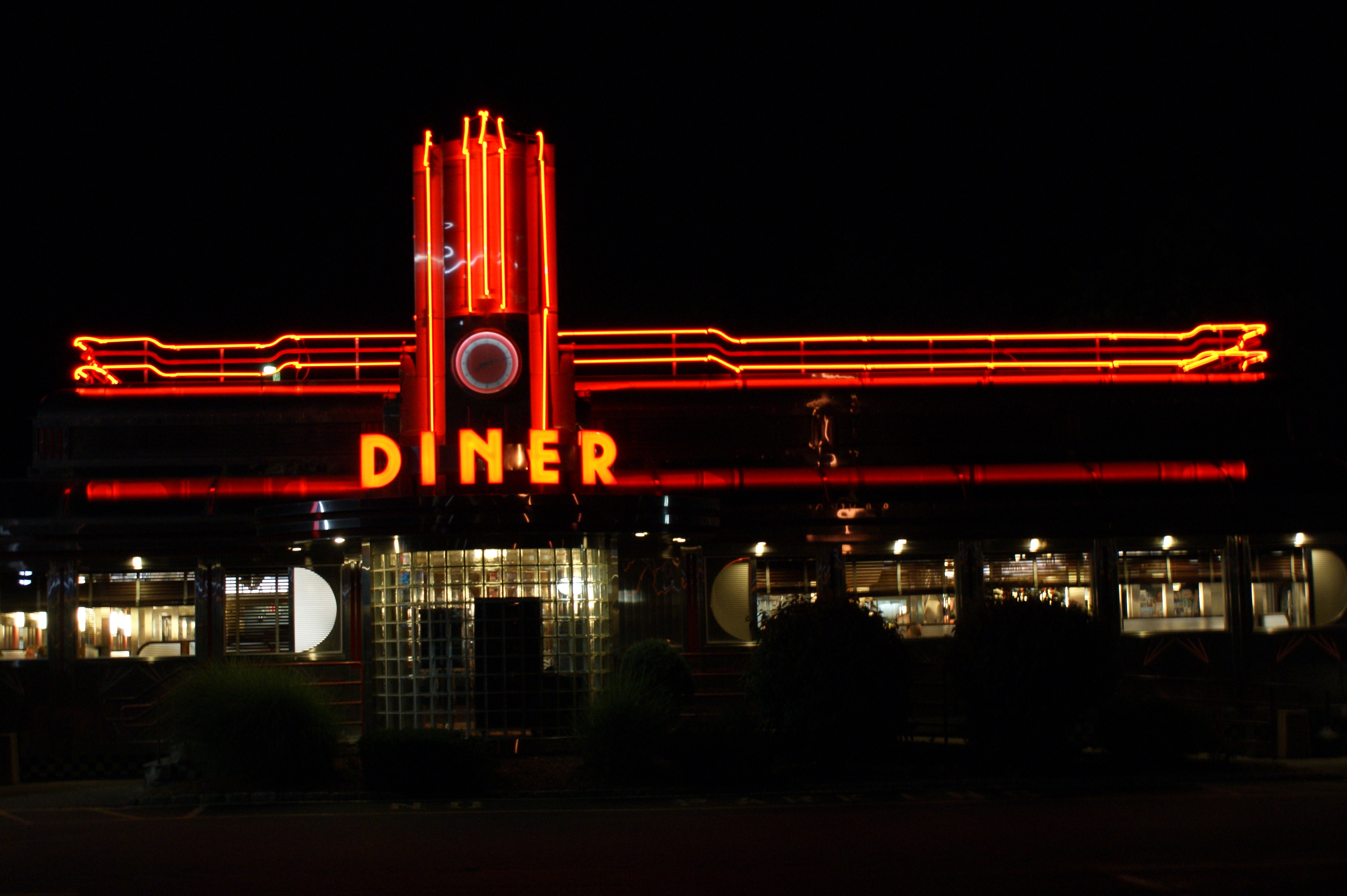
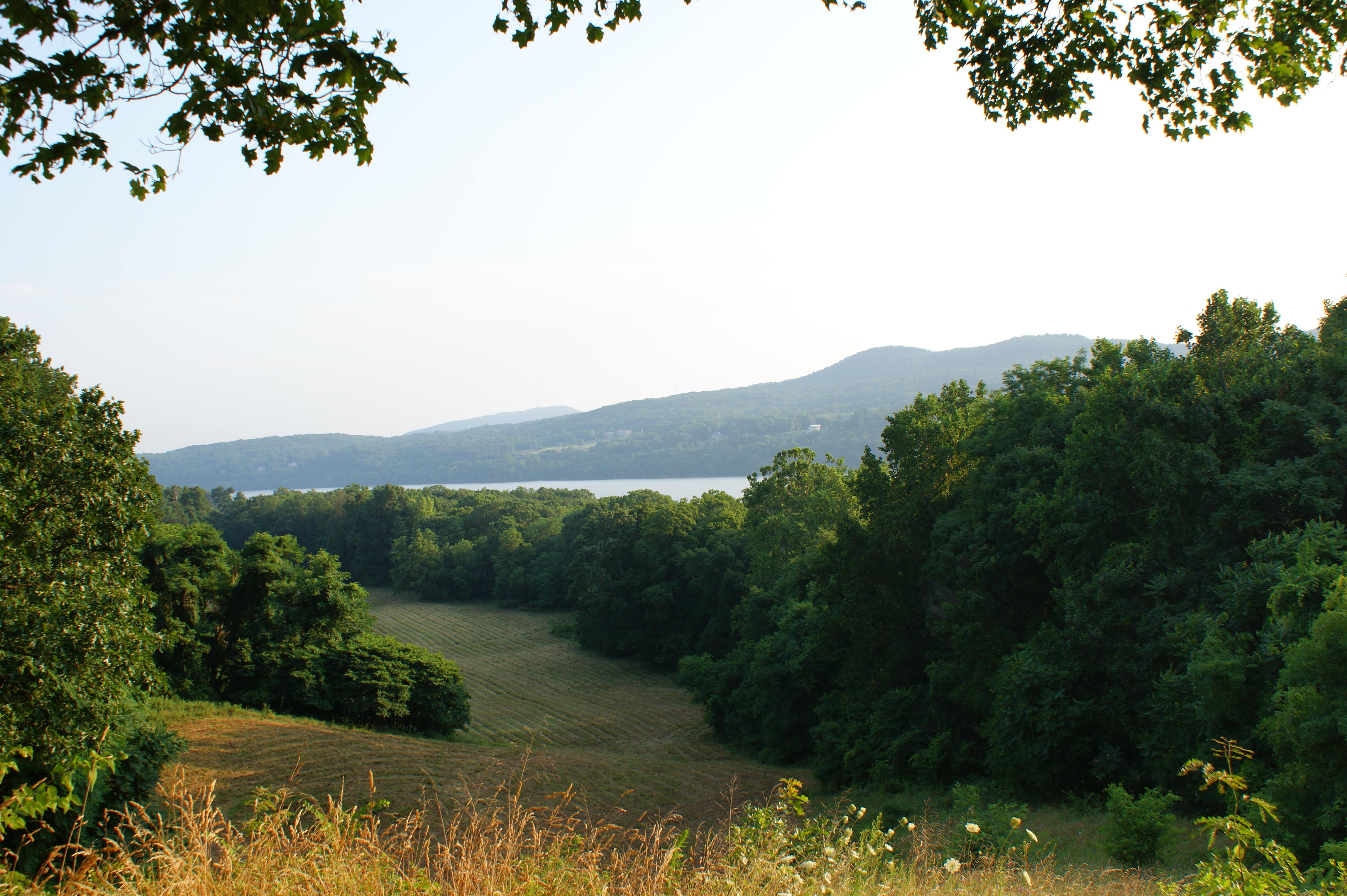
Everyone deserves to get their way sometimes, and I made sure that we all had a say in what happened each step of the way. I fed my inner history geek with visits to Franklin and Eleanor Roosevelt’s sites, the Vanderbilt Mansion, historic Hyde Park and charming Rheinbeck, NY. The weather was sweltering but the views were fabulous, and I will never forget a golden hazy afternoon driving down the Taconic Parkway toward the river – we were the only car on that undulating road, and it was as though we were moving through time toward the bygone days of FDR, the Vanderbilts, and the railway chugging along the river, with each view painted to perfection by someone perched upon the hills. Oh, that I had been driving something other than a minivan, but no matter.
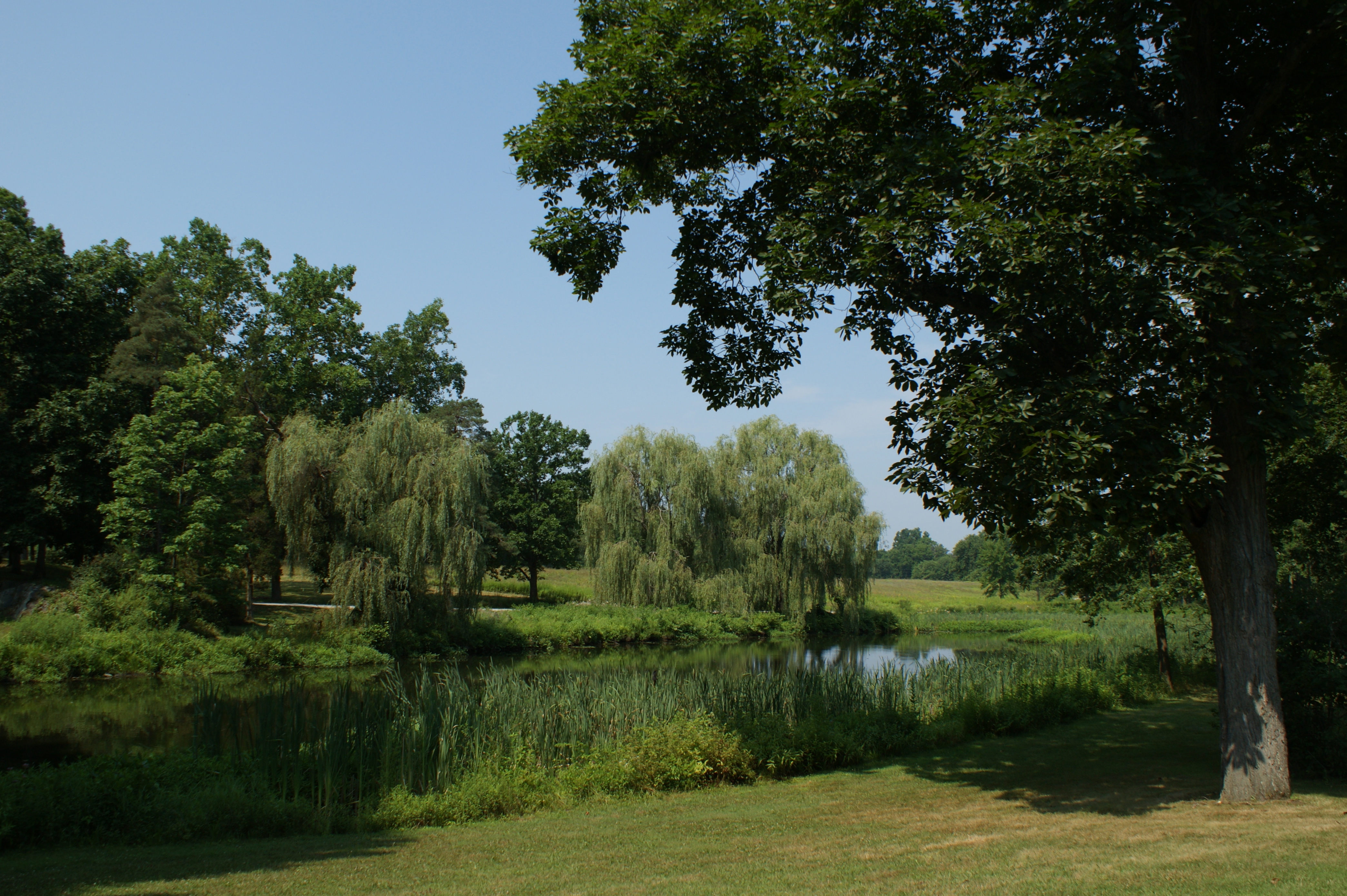
I was determined that this summer would mean something more to us than surviving camp and preparing for college. I wanted to give a little of what I got from my childhood, trailing my mother though cities and museums and restaurants, only half listening but loving being part of something that seemed bigger than me. I like being where things happened, I like knowing about those places, I like sharing what I see and marrying it with what I read. All of this generally requires a lot more talking than the autistic mind would prefer, and so my inner narrator has in many ways become the blogger (see also, Lettershead).
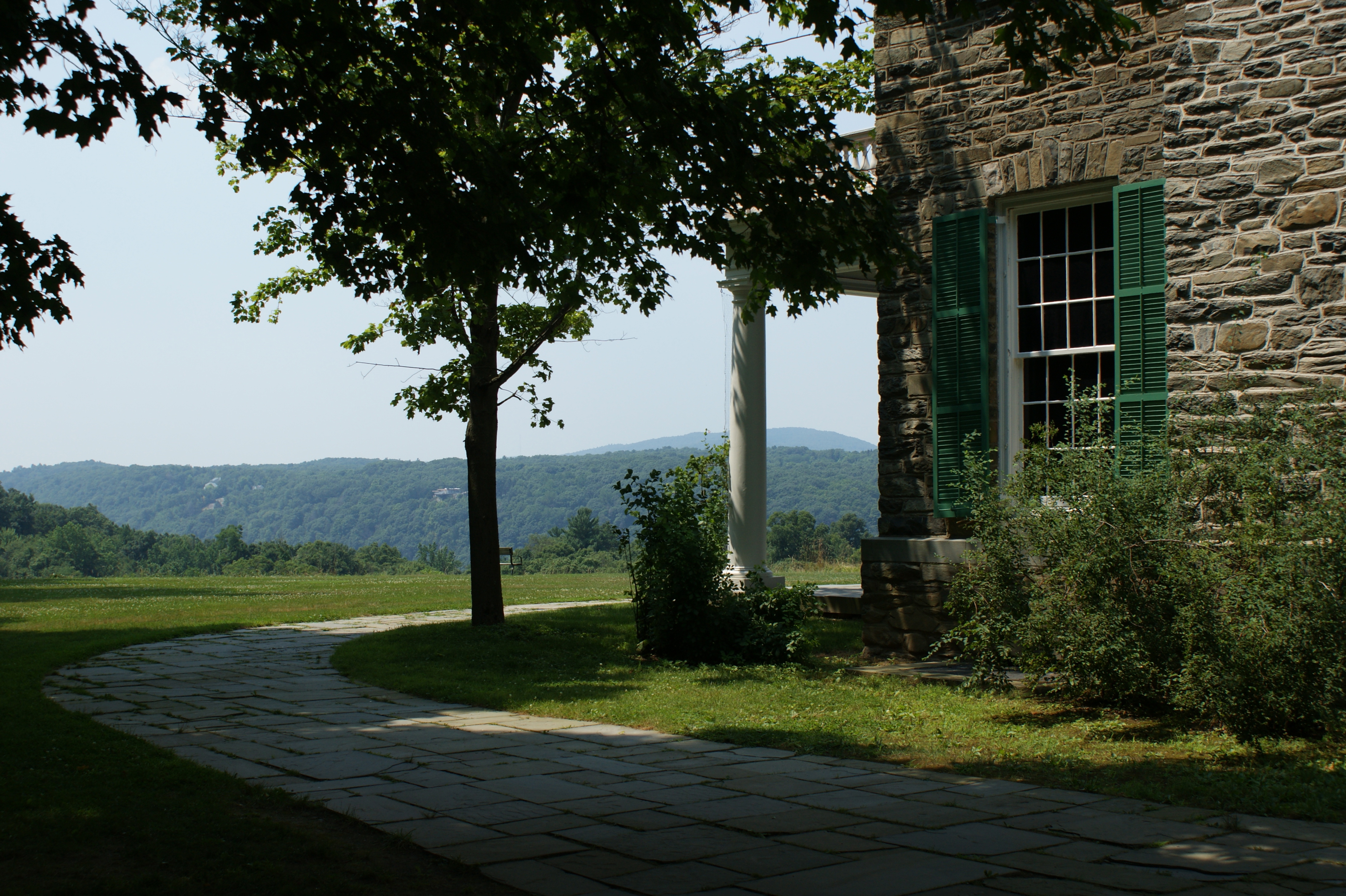
The complicated story of the Roosevelts was not lost on me as I toured the vastly different homes of Eleanor and Sara Delano Roosevelt. Each of them doggedly pursued the agenda life set before them, with many changes of course and myriad joys and disappointments along the way. Both raised in privileged surroundings, one used money to exert power, the other to buy whatever freedom she could get for herself and selected others. We looked at their things, looked at their spaces, and talked about their influences on the presidency and the nation, independently and through FDR. It reminded me that there is only so much you can plan, only so much you can expect to preserve, and that if anything is to prevail it is the spirit. All else is fleeting at best.

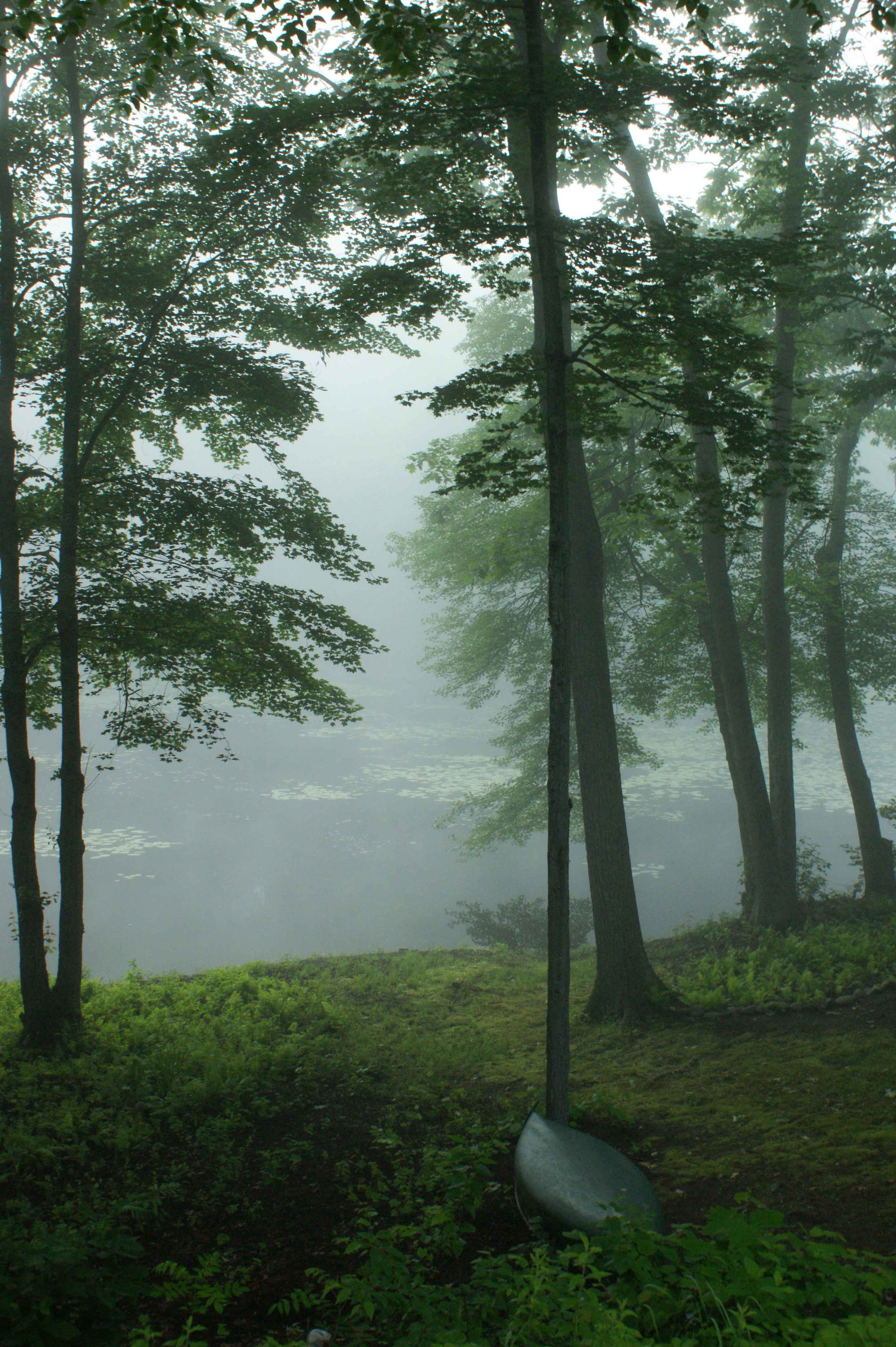
Photos: Overlook of the Hudson River from the Vanderbilt Mansion, Hyde Park; The Eveready Diner, Hyde Park; The stream at Val-Kill; Corner walkway of Springwood, the Roosevelt Home; View of the Stone Cottage from Val-Kill from Eleanor’s Val-Kill cottage, with ramp for FDR in the foreground.


First Phone Call: Permission to Breathe, Granted

Week two. We have proof now. He is still the same boy we dropped off last week. He is as strong as we knew he was and so much stronger than the school experts – and I use that term loosely – said he could be. He is always capable of throwing us a curve but he will never let us down when it really counts. Everyone who knows him well knew he would rise to the occasion.  The voice is still a little flat, the answers short but sincere, and no discernible traces of angst. He is still wary, still not entirely comfortable with being so far away from home (I see the Scooby Doo he smuggled to camp tucked under his arm now and then, a telltale sign) but he sounds safe and brave and proud. And in the typical role reversal he has given me permission to be braver and prouder than I was a week ago, because I have as much confidence as I have ever had that he feels and is safe. These are rare moments, indeed, for in this world there are few places that provide both haven and meaningful activities for people with developmental delays, and the older they get, the narrower the choices become. So many people are working to expand the options and opportunities for adults with autism and I can see that I will soon be joining them in building a community of which we can all be proud. I still don’t know what it will look like but from the sound of his voice it appears, for the first time, truly possible.

A Woman Adrift

I thought that a break from managing autism would mean less stress but what it has created is a vacuum in my attention span and total emotional disequilibrium. The opportunity to not build my day around the boy has made the opportunities that emerge less easy to embrace – maybe it’s latent exhaustion, or latent guilt, or just a loss of identity. I did not expect to be happy for him to be away, but the sudden moments of devastation take me utterly by surprise. There have been plenty of moments of grief in my life, but this physical emotional ambush is entirely new to me; I need to be able to identify the signs so I can see it coming or my family will stop going places with me. Add to this the realization that, while I was building my attention around him, everyone else built their attention around other things and people. With him away, I feel excluded. I haven’t yet figured out how to reinsert myself back into my own life. I’m lost, boring, and stupid.

And yet these are good problems to have because it means that he is doing well at camp and I don’t have to focus on making that situation better at this point. I recognize the luxury of breaking down and cannot decide if it is a process I have to go through or one I have to beat back.  Depression and self reflection and recovery all sometimes seem like the same thing to me. Healthy time and space or withdrawal from life? It all depends on the  moment, doesn’t it? On the quality of the thought? Sleeping too much or too little? I seriously do not know.

All I really do know is that an hour of absolute quiet here and there is what I always crave and is what is allowing me to process these thoughts now. No music, no TV, nothing but the humble spin of the clothes dryer and an open window that lets in the summer breeze. I think that if I can have these moments for part of every day I can get my groove back. And as I sit before my keyboard and type this I find – yet again – the startling image of me as my mother. Drinking coffee and typing, thinking, ruminating, and inexplicably driven to write down what is on my mind. How is it that I work so hard to cut new paths only to find myself on these well worn tracks? Am I carrying on a valued tradition or am I just a cheap knockoff of an extraordinary person? I can’t say that I am living in her shadow; our lives are so different. It’s more of a behavioral blueprint that my brain references without my permission. It is the best and worse part of me that makes me overly analytical and controlling and keeps me from being in the moment and thus I never appreciate anything fully unless it’s in hindsight. But I am really good at hindsight, I must say, which can make me good at planning, too. But this constantly looking backward and forward is making me dizzy and literally unable for focus on what is in front of me.

My sister has advice that I remember at times like this. She talks about making sure that you structure your life so that you are in “moving water.” I find this concept incredibly helpful because it can mean so many different things. When you are a stay at home Mom the difference between moving water and a riptide isn’t much. I remember vacations on the Carolina coast when I felt like I was standing still, bouncing gently in the water, enjoying the salt water’s ability to make the baby in my belly float independently.  And then I  realized I was a half mile down the shore from the beach house that was in front of me a few minutes before, carried south by swirling waters made stealthily swift by an approaching hurricane. I recall the sensation of emerging from the water, feeling the satisfactory weight of the baby settling back into place, order restored. I made my way back up the beach to the place where my life waited for me.

See how that happened? I started out in one place at the top of the post and now here I am making a metaphor out of a distant vacation. Equilibrium restored, for now.

The Pre-Tromp Romp

Now is a good time to note that, however camp turns out, we have learned and grown enough in the last two weeks to make it worth it. From a delightful and heartwarming exchange with the creators of Hoops & Yoyo to the deepest conversations ever with our boy about growing up and what camp is for, we have already made great strides. We have packed a summer’s worth of activity into one week and watching our growing children do the same things they always have shows us how much they have grown physically and emotionally. So, for a moment, we smile and breathe easier, understanding that we were a little better equipped for change than we thought. Hearts full, fingers crossed – here we go.

Photo: a parade of sparklers.

Tromping Back to Camp

We love the Hallmark characters Hoops & Yoyo, and have for many years. They provided our first family doubled-over-in-front-of-the-computer moment, and our youngest memorized all of the dialogue from their tale of The Runaway Marshmallow (watch them all – you won’t be sorry). But even as we continue to buy Hoops & Yoyo greeting cards it has been a while since our marshmallow moments. Now our older boy is going to camp – sleep away camp – for a long time. We never really thought we would find a camp that would meet his needs and still be camp. It has been a long process to get to this point and I still can’t write about it quite yet except to say that the dialogue from The Runaway Marshmallow is all that stands between me and tears when I think about separating from my boy. We know that it is the right thing; we know that he will love it; we know it will be hard for all of us to not be together as a family for a large part of the summer. And so we make light of it by making all references to camp as “tromping back to camp!” I hope I will be able to write about it in a good way, and if not, well then I’ll be be back in September. The tromping begins next week; wish us luck.

IEP Meeting Prep: Read Differently, Move Deliberately

When preparing for meetings I find myself glued to the computer, doing research, typing notes, reading and organizing old files – mission statements, health care plans, meeting agendas.  I am bushwhacking; managing the jungle of information in front of me in hopes of paving a road for us to walk on, hoping to keep us from falling off of some existential cliff that I imagine is there if we do the wrong thing or miss the wrong cue. My mind and my fingers move so furiously that the rest of me is paralyzed and exhausted.  I don’t want to cook or clean or be social; all I want to do is sleep and prepare, sleep and prepare.  I am a tenacious, insufferable, boring, anxious, obsessed stick in the mud.  On-screen diversions – Facebook, The Times – don’t count because they are filled with reminders of the task at hand and then tend to divert in the wrong direction.

But I was prompted last week by a parent wiser and stronger than I, that motion – physical, heart-rate elevating motion – is necessary to calm the psychic storm that comes with these moments of transition.  She faces some of the same issues I do and she is making herself run; I will have to be content to walk, but I will do that and whatever else I can to get out into the daylight.  I will take a walk, get my hair cut, and go to the hardware store and get things that have been languishing on my list for weeks.

The last time we were retooling at home and school like this, the same novel sat on my nightstand for three years, unopened, collecting dust.  By the time I got around to picking it up I was so tired of looking at it I gave it away instead of reading it.  The moment had passed.  I don’t even recall what book it was; I only remember that moment of picking it up at all is that it happened when I was talking on the phone to my cousin who was dying of cancer at the time.  We were talking about things left undone and I mentioned the book that was sitting there, and she told me how she had managed to pare down her life to only the essentials and divested herself of the distractions of television, newspaper and computer.  At that moment I realized that there would always be something better to read than that book.

Now the books – good ones this time! – are piling up again (sorry, Walter Issacson, William Trevor, David McCullough) but at least I am learning to make it mostly non-fiction or short fiction.  I must finish it before bed or  know how it turns out.  I am interested in knowing about the journeys of all kinds of people in the 20th century, and so the book that rescues me today is Sidney Lumet’s Making Movies.  I’ve seen so many of the movies he made and he writes so easily and compellingly about the process of film making that it gives me something that is both easy jump into and easy to let go of when my attention is diverted, as it so often is at these times.  At this moment, it is the right mix of nostalgia, entertainment, and clarity of process that makes me happy and still keeps me learning.

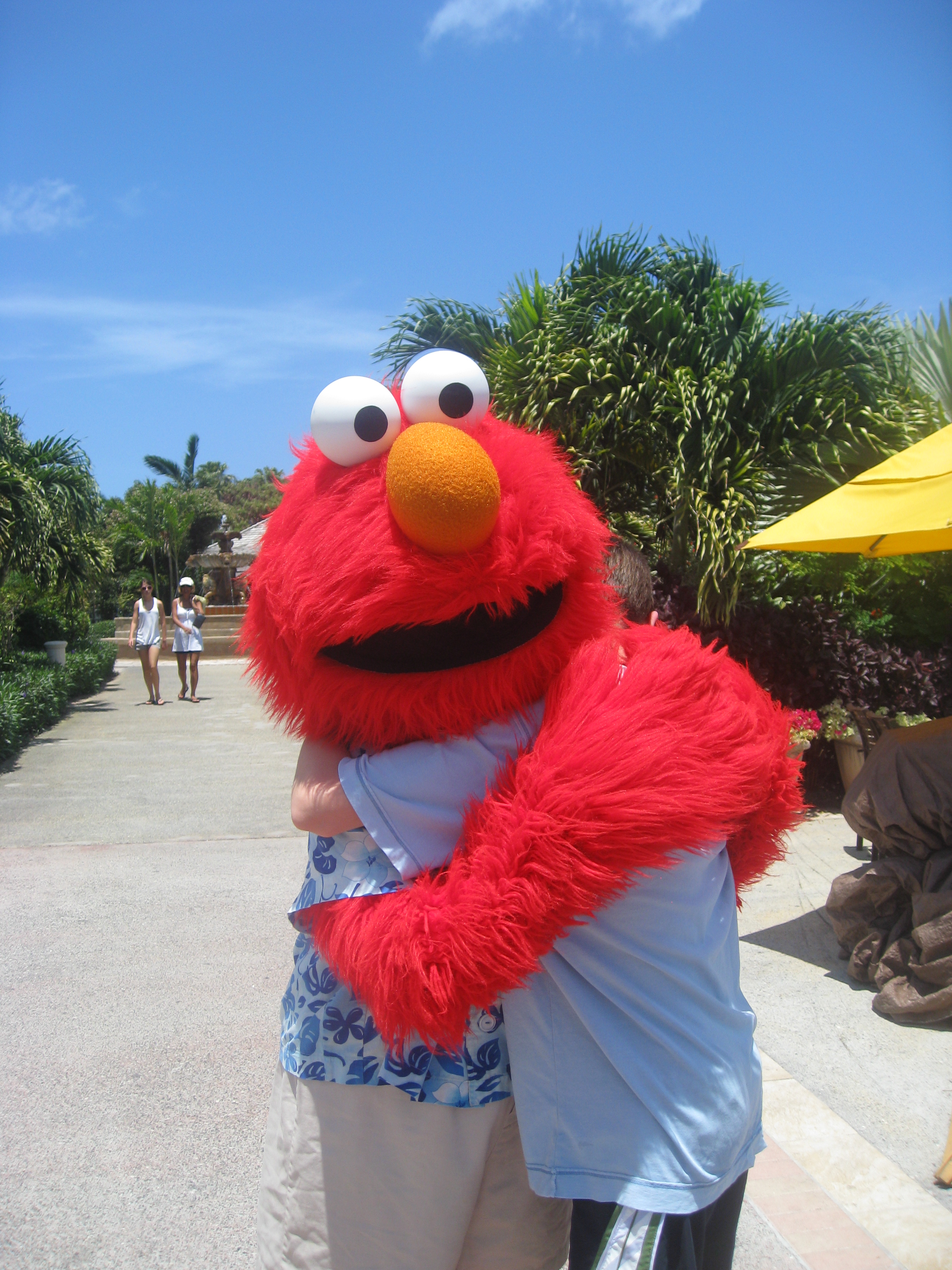
Hug Me Elmo.

This is from a couple of years ago and it is a sweet photo but at this moment it is an example of all I want to overcome.  Now, suddenly, as adulthood looms for real, the endearing photo of a birthday hug from Elmo only tells me that we need to do more to make the adult world accessible and palatable – no, joyful – to our boy.  Adulthood is daunting to all of us, so how do we differentiate childlike from childish, nurturing from insulation, love from coddling, wisdom from denial, bravery from cruelty?  The lines between all of these things shift on me, all day, every day.

It’s April Vacation – let’s have a fight about The Mom Thing.

Thanks again cable news for the sideshow.  Let’s pit Ann Romney against Hilary Rosen and watch the sparks fly.  What a fabulous use of everyone’s time.  And yet, I jump in. Frank Bruni pretty much got it right when he said that inclusion does not quite reach the stay-at-home Mom.  Who came up with the idea that being a Mom isn’t work if you have money?  Nobody ever said that about Jackie Kennedy. Who thought it was a good idea to denigrate the experience of one woman to validate the choices of other women?  Just because you have a Mom or are a Mom does not give you the right to pass judgment on other Moms.  Everybody knows that’s what playgrounds and playgroups are for, not mass media.

We can’t seem to embrace the individuality of motherhood because it is such a universal and formative experience; we all develop ideas about what it is supposed to be, and women in particular see the quandaries coming far in advance.  But there is only so much we can plan for.

I read a Facebook status the other day that tugged at my heart. A working Mom spoke eloquently about the career that was waylaid by the appearance of autism in her life. Sometimes it sneaks up on her, she says, and she allows herself to daydream about what might have been. Sometimes I think my own motherhood was high jacked by autism – that I never got to be the kind of mom I truly wanted to be. More of a free spirit – a gallivanting museum hopping different activity every day type.

I recall the day I realized I would have to rethink everything. We were with our playgroup at a new indoor playplace that was all the rage in the 90s – a converted house with rooms for dress up, crafts, and tons of opportunities for free play. And while my girl danced about in a tutu and feather boa, my boy fell apart – unable to share or cope at all among the noisy activity. I took him out to the car and there we sat, each of us stunned and bewildered in completely different ways. Both of us felt like our fun was taken away. I knew at that moment that we would need to plan better where we went and what we did, and I felt all sorts of fun things drop off the to do list.

After that there were long periods where I could not take joy in parenting the same way I had before. I wanted more than anything to be a relaxed mom. I know autism moms who are at peace, but that’s not the same as relaxed. I am much better at exhausted than I am at relaxed. And it was so ironic because I was fully prepared to mourn the suspension of my career to full time motherhood but I am still coming to grips with the lost opportunities of parenting – I was thrust into a kind of motherhood for which I seemed ill prepared. Or I thought I was. I was – and remain – frustrated about the things I cannot do, and the lack of spontaneity that comes from wanting to avoid meltdowns. Through the anxiety and exhaustion I had to improvise and become the mom I needed to be as opposed to the one I wanted to be. Sometimes I think that if I was a better mom maybe I could have found a way to build in the freedoms I lost.  I’m still working on this.

All of this is tempered by the reality that, by and large, autism has made me a better mother, and a much better person that I ever could have been without it. I am more empathetic and accepting of the different ways people perceive and function in the world, I understand my husband and typical kids better. I am more attuned to people’s need for sameness balanced against their capacity for change. I still need to be right but am much more willing to change my mind – I always did work mostly on instinct; I now understand the value of being data driven because the regular kind of parent intuition often doesn’t work with autism.

Most of all, I saw that I needed help if I was going to manage this family properly and be a good parent to all of my kids. The product of parochial schools, I didn’t understand that I could get extra help from my school district, that there were therapists and teachers and doctors who could give me advice (in the early days, unfortunately, a lot of that advice was lousy).  When my husband travels it was – and sometimes still is – difficult for me to rely on friends and neighbors to help us keep everyone on track and happy. It is work – physical, emotional, administrative, mind-bending, and incredibly rewarding work.

So if Ann Romney has money to spend on raising her kids, I don’t see where that means she doesn’t work and I don’t think she should have to outline her challenges the way I have outlined mine to justify the life she has chosen.  Money can’t buy happiness but I don’t see that it trumps credibility in parenting.  I hope that she is the kind of mom who values her children and spends time with them, knowing them, teaching them.  There are plenty of well-to-do working moms who choose to raise their kids differently, using their salaries to provide their children with other loving presences in their lives.  It is disheartening to think that, with all of the talk of women and choice, women can’t even respect each other’s choices.  In life, mutual respect is one of the very few choices we are always free to make.

The Pledge

Earlier this week our boy was asked to help lead the Pledge of Allegiance at the opening of a School Committee meeting.  He’s done this once before; this time the was filling for another boy, who could not make it at the last minute.  I asked what happened to his friend, and to my surprise my son answered, “I think he is too shy.”  Here he was, someone who struggles with his own anxiety every day, recognizing it in someone else and willingly stepping in to help.  Add to this his cheerful acquiescence to the immediate nature of the request – we had to just hop in the car and go – and the evening was already extraordinary in that it was so very ordinary.  He sat quietly in the back of the school library as people filed in and I chatted with the Superintendent.  He greeted former teachers and administrators who made their way over to see him.  He was a little distracted, and little awkward, but composed and charming in his way.  He was prepared.  He and his classmate beamed as the Superintendent introduced them; his hand fluttered ever so slightly as it made its way up to his heart and they led the Pledge.  School Committee meetings are televised; he looked straight into the camera, fully cognizant of the moment.  Everything went perfectly.

And then a member of the Committee rose from his seat and strode over to shake each boy’s hand, warmly and sincerely.  I was struck by the authenticity of this gesture and how it underscores my hope for us as a community.  Recently I have been agonizing about how inclusion for behaviorally challenged kids can really work in a high school setting.  At this age it is much harder to accommodate the differences in learning and socialization; there is so much to prepare for in life that successful behavior in the classroom setting just doesn’t seem like an important goal anymore.  Having spent all of these years trying to make kids successful in the school setting, now our attention necessarily turns to life outside of the school building and in the larger community.  So many people are worried about how their college graduates will get jobs; in this economy the odds are doubly stacked against those for whom an advanced degree is not in the offing.  But these small moments – a public appearance, greeting teachers and friends, a handshake from a leader – they change everyone’s lives.  I’m glad that, against the odds, we have stayed in public schools and that we have taken on what is sure to be a battle for the resources that will allow our boy the training and education he needs to be successful outside of the classroom.  I have always believed that everyone can benefit from what we teach our children with disabilities because it gives them a chance to teach us in return.  Inclusion comes in many forms, not just in the school but in the community, and it means we not only have them in attendance but we recognize that they are there and that what they have to teach is worth knowing.  I was starting to think that it was just talk, that our efforts will result in little more than the minimum required.  And then someone got up and shook his hand and I realized how much more is within our reach.

The Blood Knows Where to Go

Last November, I read an article in the New York Times about the alarming number of people with developmental disabilities who die unexplained deaths while in state custody.  I couldn’t finish it through my tears.  The previous weeks had been largely devoted to transition planning and cognitive testing for our teenaged son, so my worries about his future were already close to the surface.  I usually am better at keeping a lid on my anxiety on the long term issues; I don’t think it’s fair to my other children to let autism dominate the family dialogue any more than it already does.  So after my decidedly lid-off response to the article, I went up to take a shower, which always helps me regain my equilibrium.

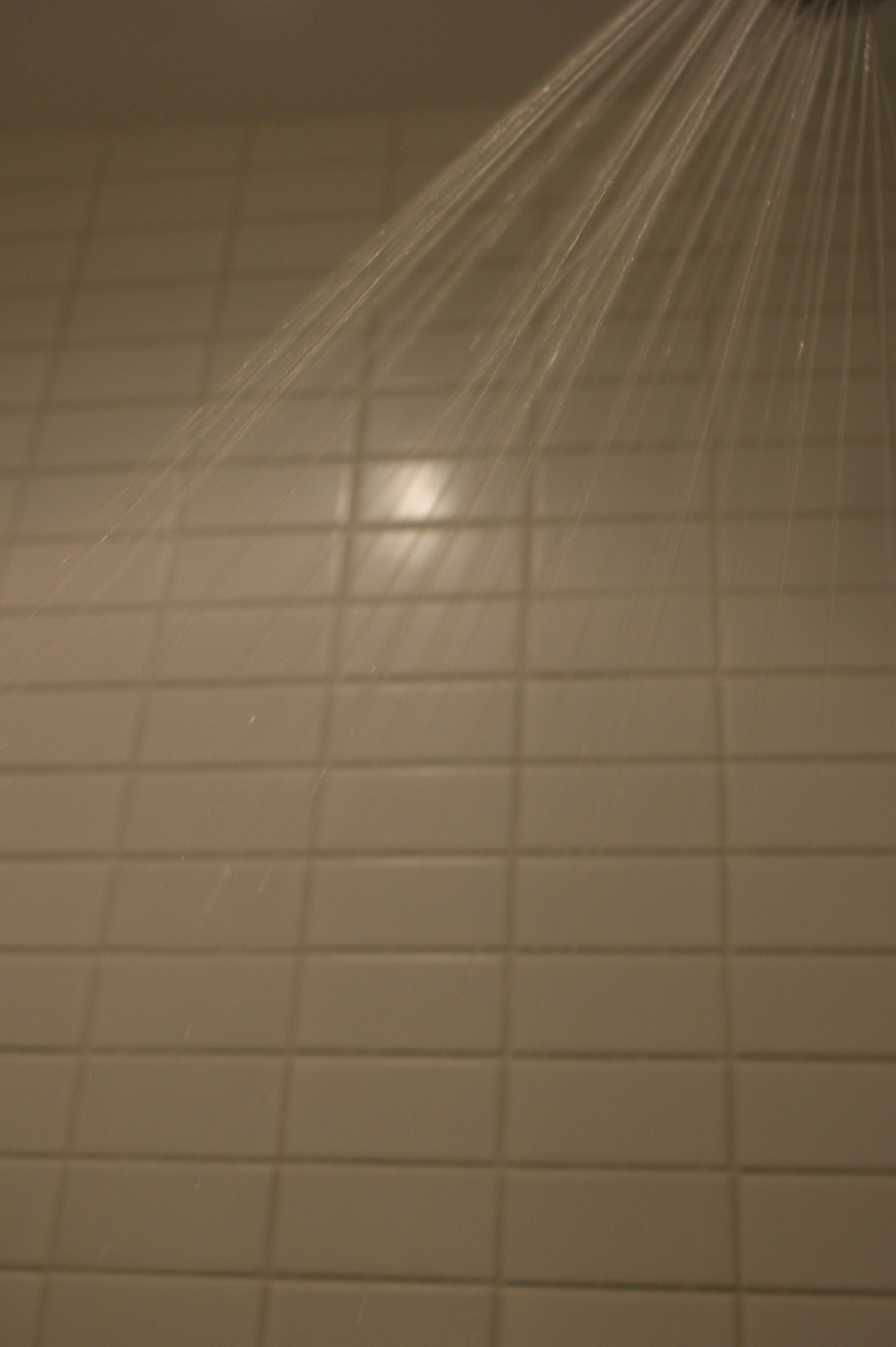
In my extremely nearsighted state I fumbled with the new razor I took with me into the shower, and nicked a bit of skin off of one of the knuckles on my left hand.  It bled a little bit but for what seemed like a long time, and I stood there in the steaming water, watching it channel through grooves in my skin, run off the side of my hand and disappear in the cascading water.  Maybe this is why people cut themselves, I thought, understanding for the first time why anyone would do such a thing.  The bracing clarity of pain and the fascination with flowing blood make other troubles fade, if only for a moment.  Having drawn blood, your instincts take over and stopping the flow becomes your only goal.   There’s a strange kind of release (adrenaline, I guess) in that kind of single-mindedness, especially when the pursuit of multiple goals is what is making you crazy.  I thought of my worries running down the drain with the hot water, and how what is terrifying in one moment can seem perfectly manageable in the next.

I haven’t been tempted to capture that feeling again in that way, but I understand better now the value of tackling challenges one at a time and setting short term goals rather than taking on the entire future at once.  And perhaps I should be a little more selective about what I read in the paper, and when.